Sponsored results
DIG Industries
Oil tank removal should be handled by an experienced pro who understands how to safely complete the project. At DIG Industries, our mission is to... more

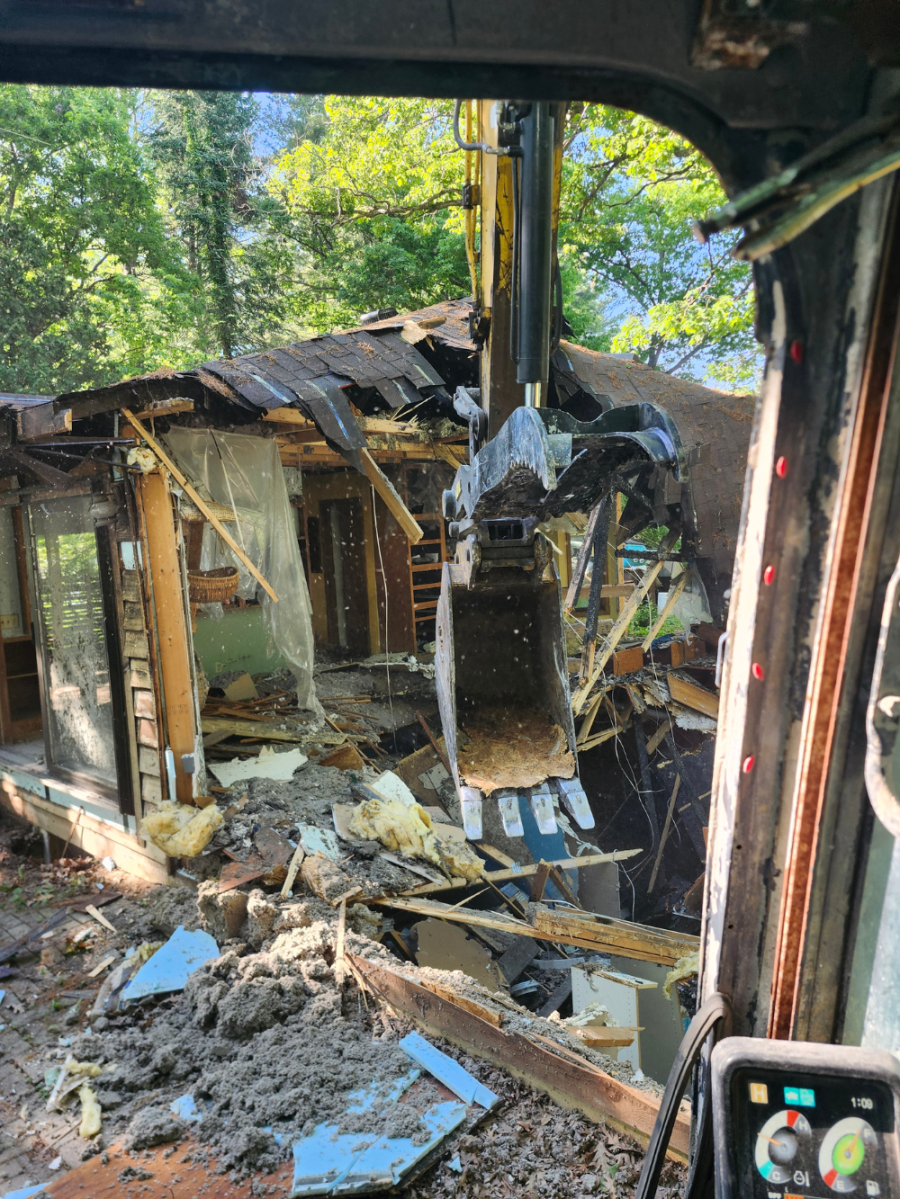
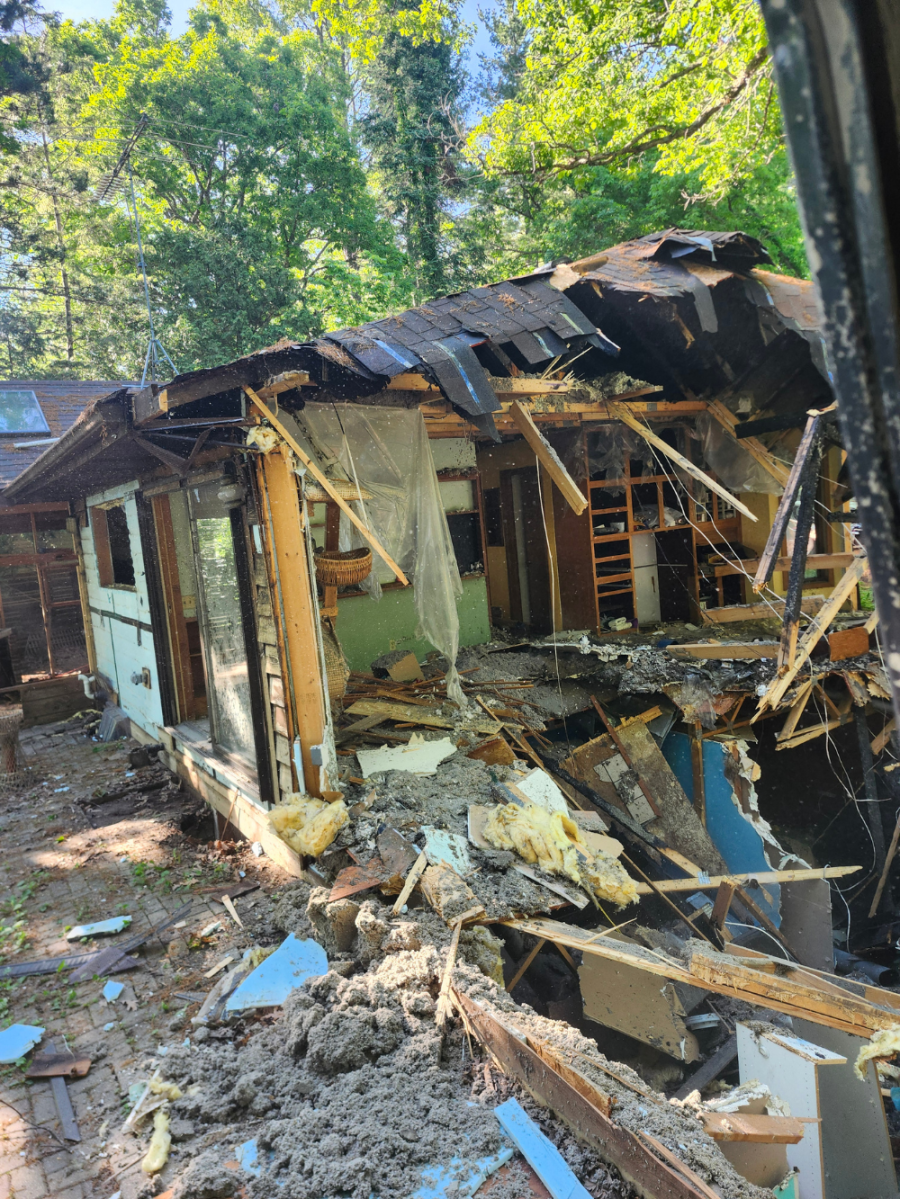
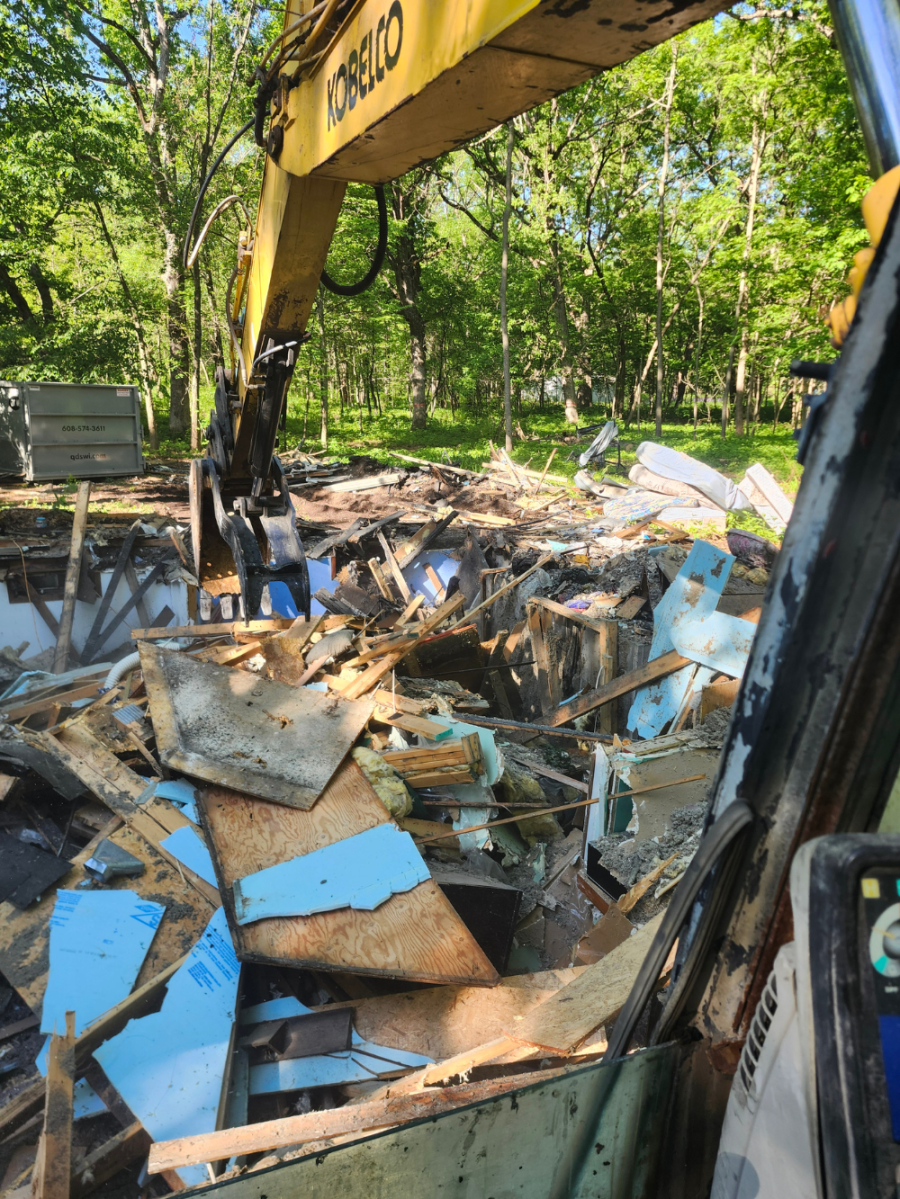
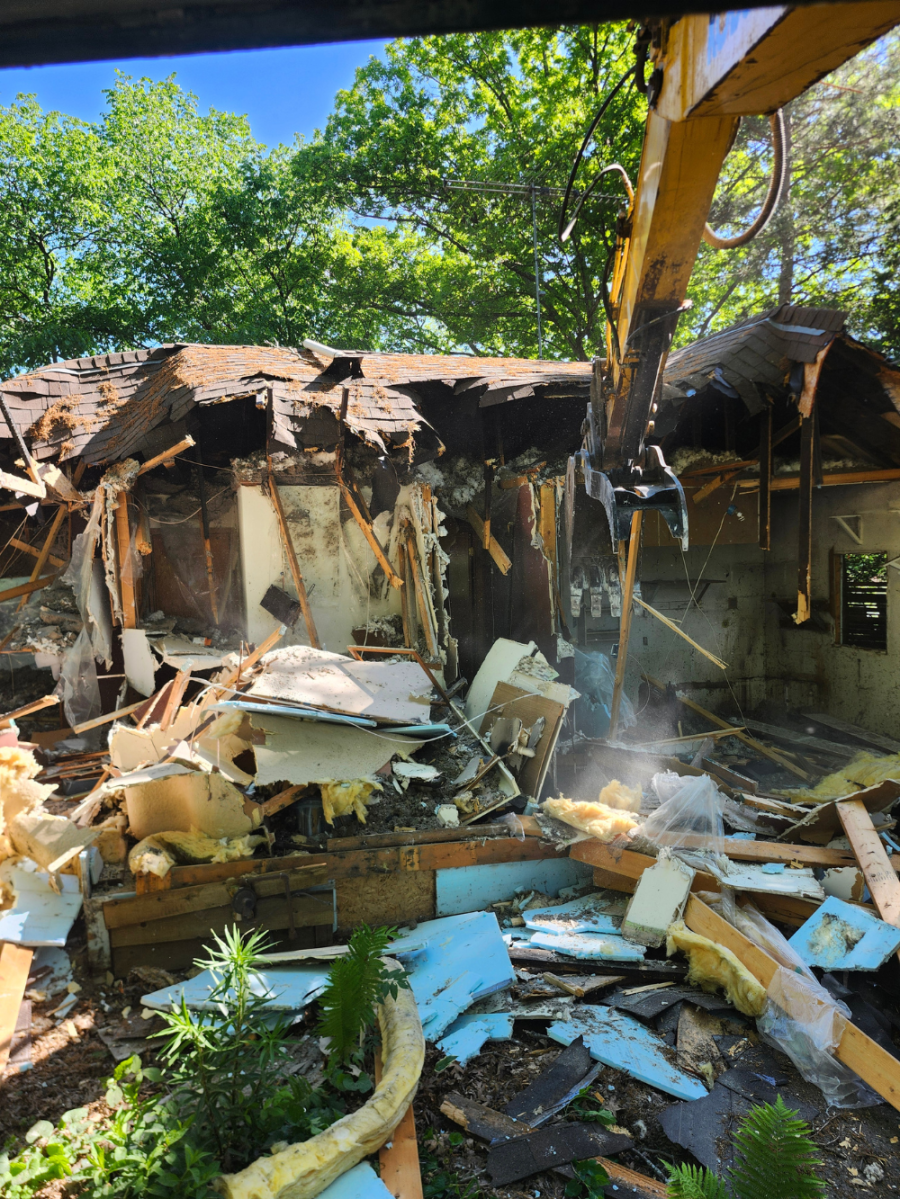
All "Oil Tank Removal" results near me in Sextonville, WI - August 2026
Brockway George & Sons
Brockway George & Sons is a trucking, demolition, and excavating business located in Gays Mills. In 2010, we proudly celebrated our 50th anniversary. If you've seen our... more
DIG Industries
Oil tank removal should be handled by an experienced pro who understands how to safely complete the project. At DIG Industries, our mission is to... more
Fink's Paving, Excavating & Concrete
Since 1972, Fink's Paving, Excavating & Concrete has dedicated itself to setting the standard in the demolition industry. For more than 45 years, we have been&... more
Ray Zobel & Sons Inc
Ray Zobel & Sons Inc specializes in a variety of demolition and excavating services. We approach every project with the highest degree of professionalism... more
The Wolf Services LLC
Have an oil tank you'd like to get rid of? Whether it's above ground or underground, The Wolf Services LLC can handle your project with... more

Remove Anything the Easy Way
Get free quotes from local demolition contractors

Nearby Places for Tank Removal
Tank Removal Tips for Sextonville, WI
What is an underground storage tank?
Underground storage tanks are large containers built to hold large amounts of liquid or gas underground. These tanks were widely used between the 1930s and late 1980. Typically built of bare steel, these tanks are still used on residential and commercial properties, though they are becoming less common due to their environmental and health risks.